Back in March I had a call with a marketer who’d wanted to start a podcast for a couple of years. She’d had the idea for about one. She had a second baby, eight months old, and was about to leave a full-time job to go back to freelancing.
She’d done the research. She’d asked ChatGPT and Claude. She’d read the posts telling her she needed video, YouTube, TikTok and a launch plan. She’d made six TikToks and then stopped.
Partway through the call she said this is where she starts overprocessing, questioning everything and deciding she isn’t capable. I recognised that. Most people I speak to who haven’t started yet aren’t short on ideas. They’re buried under advice.
The reason was already there
Before we got to any of that, I asked her where the idea came from.
She lives abroad, a long way from family. Her first postpartum was hard, and she was the first in her friendship group to have a baby. She said podcasts became the village she didn’t have. It was like having coffee with a group of mums and hearing what they’d been through. She wanted to make that for other women who’d moved away from home and had children somewhere new.
Money wasn’t the driver. She already had 30 to 50 mums locally with stories worth telling, and she was part of an online group of more than 15,000 women in the same position. That’s a guest list and a first audience before a single episode exists.
When someone has a reason like that, the rest is mostly logistics. The plan is the easy part.
Strip it back
Most of the call was about taking things away.
A pilot season, not a forever show. Eight to ten episodes. Find eight to ten people, book them in and record them. A continuous show means you’re always hunting for the next guest and the next free afternoon. A season has an end, and you can decide afterwards whether you want another.
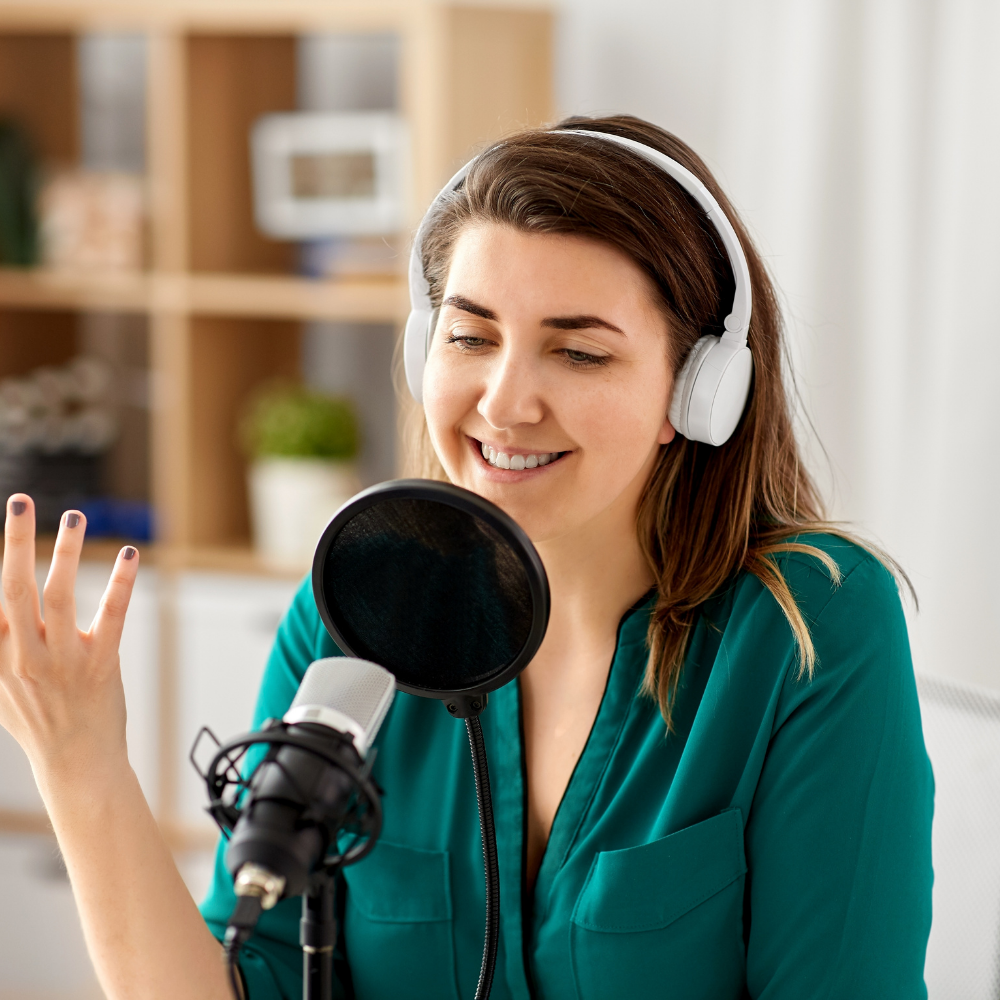
Pick the version that excites you. She was torn between recording in person with local mums and recording online so women elsewhere wouldn’t feel left out. I asked which one excited her more. She said in person, so that’s the one. There’s a practical upside too. In person you get photos and short clips for social. Two faces stacked on a Riverside screen don’t do much online. One outdoor podcast I like records everything on a single Zoom recorder, about £200, with headphones to watch the levels. That’s the whole setup.
Forget video. Unless you’re a brand with a budget, audio is still how people listen: in the car, cooking, out on a walk. If video is the thing standing between you and starting, drop it.
Keep the edit simple. CapCut can isolate voices, take out noise, level the audio and fade music in and out. Listeners don’t need studio quality. They need to hear you clearly without hiss. And if the conversation runs to 90 minutes and it’s good, publish 90 minutes. Don’t cut a flowing chat to fit an arbitrary 40-minute slot.
Once you’re going, the whole process is record, edit, artwork, upload, show notes. That’s it.
Nerves, and where AI fits
She told me she’d always been the behind-the-scenes person. She could sit in a boardroom without a second thought, but being the face of something scared her.
I get it. I’m introverted, and talking about myself online is still uncomfortable. When I ran my own show, my first episode was dreadful. My last one was dreadful too, because I messed up the audio. The ones in the middle were good. It got easier because I kept doing it, not because I got any less shy.
The most useful thing I learned was to shut up. In early interviews I’d fill every pause with “uh-huh” and “yeah”, then spend the edit taking them all out. Stay quiet and let people talk, and a lot of the editing gets done during the recording.
On AI, we’d both been through the same cycle. At first we used it for everything. Then everything started to sound the same, and so did we. She’d gone back to journaling with pen and paper. I now do the thinking first and use AI for the tidy-up jobs, like transcripts and show notes. It’s good at that. It can’t tell you why your show should exist. She already knew.
Start, then worry about the rest
She asked about money, and I told her to go in expecting not to make any. That isn’t pessimism. You have to get through the door before anything else matters.
That said, the numbers are less scary than people think. The usual rule of thumb is 10,000 downloads a month before sponsors are interested. I got my first sponsor at 400, through a conversation with someone running a brand I’d found on LinkedIn. At its peak my show reached about 700 downloads a month, with most listeners staying for close to an hour. Seven hundred people. I don’t know seven hundred people.
I also told her not to hire me yet. Do the first season yourself. You learn what goes into it, the tools are simple, and you’ll know what kind of help you need if you ever want some.
If you’ve been sitting on an idea for a while, choose the smallest version you’d be happy to make: eight episodes, audio only, the format that excites you. Then book the first guest.
I do a handful of these Deep Dive calls each year with people starting or running a podcast. If you’re stuck at the start line, drop me a message.